@Reepagoosh Ain’t that the truth. t.co/tddh73Qur…
Shoreham Beach, 8.55am t.co/XxpTQwZdZ… 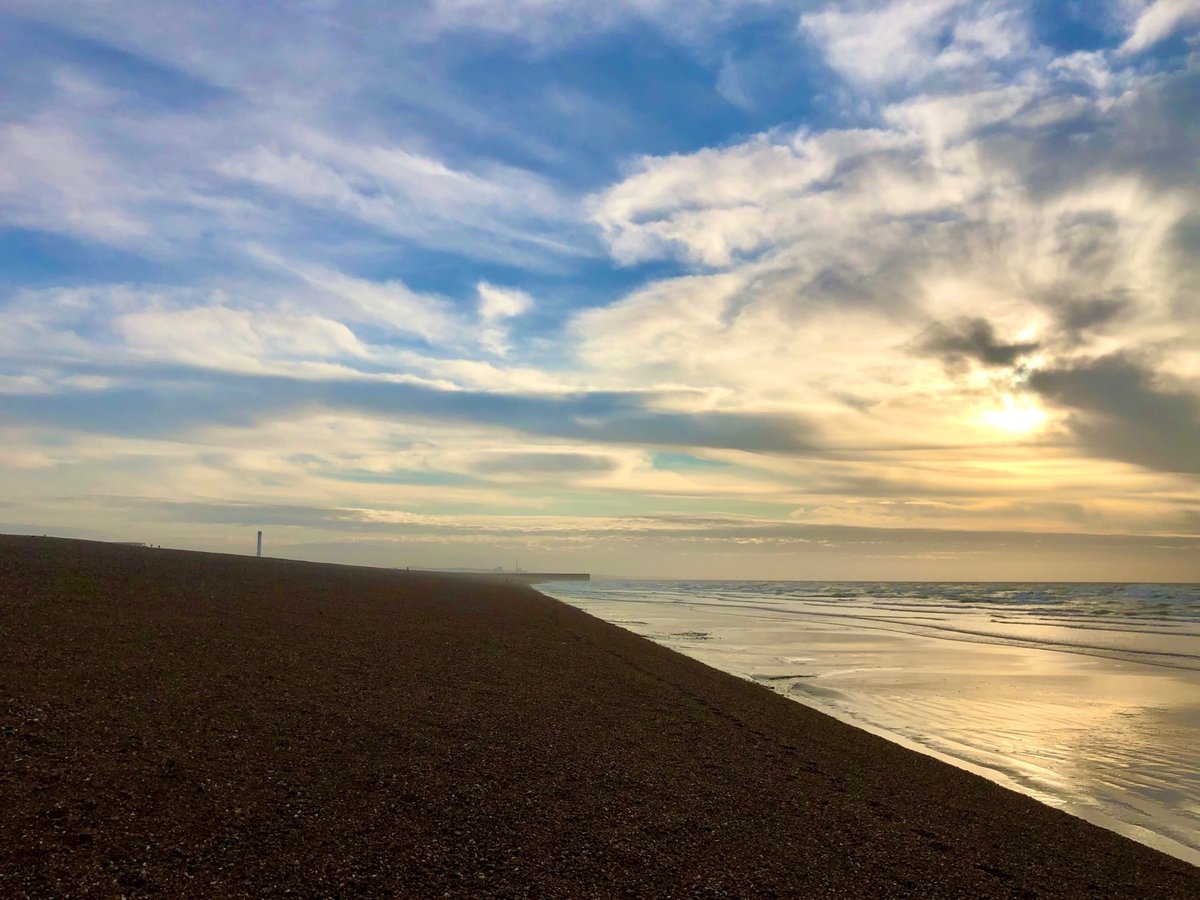
@sofiavictoriad Tinworth 2020: Go to sleep, girls.
There was some fantastic journalism done on these subjects pre-2016. But yes, it was seen as a niche and marginal issue. Worse, when mainstream journalism started taking it seriously, it didn’t use the experts who had been covering this for years. twitter.com/lostblackboy/s…
@jopayton @hood_vic is a @cityjournalism grad…
@iroughol I’m sorry to hear that. Thank you for doing so, though.
The whole thread is worth your time, but this is a great point I hadn’t considered. #newsletters twitter.com/iroughol/statu…
@EstherKeziaT @mediavoicespod (It’s actually one reason I doggedly keep a certain percentage of my work outside journalism, just for my own mental health…)
@EstherKeziaT @mediavoicespod Journalists, as a group, while intently curious about everything else, are often surprisingly incurious about the dynamics affecting their own profession.
I drives me up the flipping’ wall. 😤
Thesis emerging from the stories told by the interviewees of @EstherKeziaT’s @mediavoicespod special on newsletters: journalists love to talk about how people need to pay for news, but are really reluctant to pay for news and analysis about their own profession. 🤷🏼♂️
@digidickinson Podcasting was particularly egregious, I think. A lot of people caught up in the late 2010s boom were completely unaware of what happened back in the late 2000s.
This was still bugging me a week later, so I turned this thread into an actual blog post: onemanandhisblog.com/2020/10/how-po…
@freecloud In journalism, at least, it’s simple asymmetry between the creators and the audience. People largely sat in front of desktops and laptops largely creating for people on mobile. And forgetting to test their products on mobile.
Finally: people celebrating the relaunch of a site with a screenshot of the mobile version. 👌🏻
We may all sit in from of laptops, but our readers mostly see the mobile version. twitter.com/Jack_Blanchard…
One for the #interhacktives, I think. Some useful thoughts on usable interactive maps. (h/t @charlesarthur) medium.com/tap-to-dismiss…
Anyone want to bet against me? 😇
The long term: some of these business grow to the point where they start challenging or killing existing publications. Newsletters remain the core, but they add web presence, community aspects and so on. Think pieces start emerging as to why these aren’t “really” newsletters.
The future: newsletters become an accepted and integral distribution and publication mechanism, used by by traditional players, but also by successful one person operations and challenger publications.
The medium term: some newsletter acquisitions turn sour. Journalism’s attention moves elsewhere. In the meantime, the survivors of the gold rush, again, often from non-journalism backgrounds are quietly building sustainable businesses, and starting to hire people to help them.
The present: journalists finally catch on, because it’s now easy (push-button publishing, to resurrect an old tag line…), and a few high profile journalists “validate” the medium. The gold rush begins.
The near future: the bubble begins to collapse. Most journalists never put the thought in as to why anyone would care about their newsletter let alone why anyone would pay. Some of the big names take up lucrative offers from traditional media and exit their newsletters.
The past, present and #future of “indy” newsletters: a short thread. (Source: watching these hype cycle for 20 years…) 😉